The psychology of gambling understanding its impact on decision-making and behavior
The Nature of Gambling and Its Psychological Allure
The psychology of gambling is deeply intertwined with the fundamental human experience of risk-taking and reward-seeking. For many, the thrill associated with gambling stems from the anticipation and excitement of potentially winning. This anticipation activates the brain’s reward system, releasing dopamine, a neurotransmitter linked to pleasure. This rush can lead individuals to seek out gambling experiences repeatedly, reinforcing the behavior regardless of previous outcomes. Additionally, platforms like https://crown155-au.com offer various gaming options that further amplify this excitement.
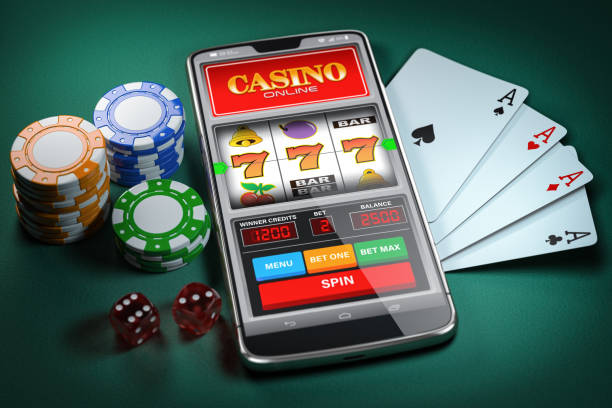
Moreover, gambling often provides an escape from everyday life, acting as a coping mechanism for stress or anxiety. The immersive environment of casinos or online gaming platforms allows players to momentarily forget their worries, immersing themselves in a world where luck reigns supreme. This escapism, while temporarily satisfying, can lead to compulsive behaviors as individuals chase their next high, further complicating their decision-making processes.
Understanding the psychological draw of gambling also involves recognizing the cognitive biases that often distort players’ perceptions. For instance, the illusion of control is a common phenomenon, where gamblers believe they can influence outcomes despite inherent randomness. This misguided confidence can lead to poor decision-making, as players engage in behaviors like “chasing losses,” hoping to recoup previous bets rather than adopting a rational, strategic approach.
Luck Versus Skill: The Dichotomy in Gambling
The debate of luck versus skill in gambling is a significant one, impacting how players approach their decisions. In games like poker, skill plays a more substantial role, allowing experienced players to outmaneuver less savvy opponents. Here, strategic thinking, emotional regulation, and psychological tactics are key components of success. This skill-based approach can provide a sense of agency over the outcome, reinforcing the player’s engagement and desire to continue playing while highlighting the importance of making informed decisions.
Conversely, in games of pure chance such as slots or roulette, the outcome is purely dependent on luck. This unpredictability can lead to erratic decision-making, as players oscillate between hope and despair. In these scenarios, players may fall victim to the gambler’s fallacy, believing that past outcomes can influence future results, thereby prompting them to place larger bets in hopes of hitting a winning streak. This disconnect between reality and perception can lead to significant financial consequences.
Furthermore, the skill versus luck dichotomy influences how various gambling activities are marketed. Online casinos often promote their offerings by highlighting potential winning strategies and jackpots, fostering a perception that skill can lead to wealth. This can be particularly misleading, drawing in novice players who may not fully understand the nature of the games they are engaging with, ultimately leading to potentially harmful gambling behaviors.
The Role of Cognitive Biases in Gambling Decisions
Cognitive biases significantly influence gambling behaviors and decisions. One prominent bias is the confirmation bias, where individuals seek information that supports their existing beliefs about winning. For example, a player may focus on their past wins while disregarding losses, which can perpetuate the illusion of a winning streak. This biased thinking can lead to increased betting, as players believe they are on the verge of another win.
Another significant cognitive bias is the overconfidence effect, where gamblers believe they have better odds than they actually do. This can manifest in high-stakes betting or in players underestimating the house edge in casino games. The result is often a false sense of invincibility, leading to irrational decisions that do not align with the realities of the odds involved. Such biases not only affect immediate decisions but can also lead to longer-term gambling problems.
These cognitive biases can be particularly detrimental when combined with emotional states such as stress or excitement. A player in a heightened emotional state may make impulsive decisions, influenced more by their feelings than logical reasoning. This emotional volatility can exacerbate risks, leading to a cycle of behavior that becomes difficult to break, illustrating the intricate relationship between psychology and gambling behavior.
The Impact of Social Influences on Gambling Behavior
Social influences play a critical role in shaping gambling behavior. Friends and family can significantly impact an individual’s decision to gamble, encouraging or discouraging participation based on shared values and experiences. Social settings, such as casinos or online gaming platforms, foster a sense of community, where camaraderie can heighten the thrill of gambling. This social aspect can create a feedback loop of support and validation, influencing players to gamble more than they might independently.
Additionally, social media and online platforms have revolutionized how gambling is perceived and engaged with. The sharing of wins and experiences creates an environment where individuals feel compelled to participate, often equating success with social status. This pressure can lead to impulsive decisions as players attempt to maintain their image or fit into a social narrative that values high-stakes gambling.
However, the social acceptance of gambling can also mask its potential dangers. As gambling becomes more normalized in society, individuals may underestimate the risks associated with their behavior. This normalization can lead to an increase in gambling-related problems, as individuals may feel less inclined to seek help or acknowledge their struggles when surrounded by a community that promotes gambling as a source of entertainment.

Understanding the Online Gambling Environment
The rise of online gambling platforms has transformed the gambling landscape, offering convenience and accessibility. Players can engage with a vast array of games from the comfort of their own homes, which often leads to increased playtime and expenditure. The ease of access can lead to impulsive decisions, as players are just a few clicks away from placing their next bet. This virtual environment can also amplify the psychological effects of gambling, such as the thrill of winning and the despair of loss.
Moreover, online casinos often utilize sophisticated algorithms and marketing strategies to keep players engaged. Promotions, bonuses, and tailored experiences are designed to foster loyalty and increase player retention. This can create an environment where individuals feel compelled to gamble more frequently, often without the same awareness of the financial risks involved as they might experience in traditional settings.
Despite the enticing environment of online gambling platforms, it is essential for players to approach their experiences with caution. Understanding the psychological effects, recognizing the signs of problematic gambling, and setting limits can help mitigate risks. Players should prioritize responsible gambling practices, ensuring that their engagement remains a source of entertainment rather than a destructive behavior.