hitclub368.com: Courtois Injury Relapse Dangerous for Real Madrid
The current situation surrounding Thibaut Courtois requires careful parsing of verified medical updates, tactical necessities, and historical recovery patterns. Based on the latest available reports and club communication channels, three key findings define the present landscape:
- Official Rehabilitation Setback Confirmed: The club’s medical department has acknowledged a regression in Courtois’s loading parameters, indicating that previous milestones achieved during controlled gym work and low-intensity drills are being delayed to prioritize tissue integrity.
- Non-Emergency but High-Stakes Progression: There is no indication of acute structural damage requiring immediate revision surgery. Instead, the relapse involves managed inflammation and neuromuscular fatigue, which forces a recalibration of his return-to-play window rather than a complete reset.
- Tactical Dependency Intensifies: With several international fixtures approaching and fixture congestion increasing across domestic and European competitions, Real Madrid’s capacity to absorb extended absence grows narrower. Backup goalkeeper readiness and defensive shape modifications are now central to immediate planning.
This report compiles developments from official club channels, accredited sports journalists, and independent medical analysis frameworks. Claims circulating on unverified platforms are cross-checked against established sports science standards before inclusion. The following sections break down the confirmed timeline, tactical ramifications, stakeholder responses, and the exact markers that will determine when Courtois can safely rejoin competitive action.
Official Club Communications & Verified Updates
Sports clubs operate under strict medical confidentiality protocols, particularly when dealing with high-profile athletes who undergo complex orthopedic procedures. Real Madrid’s communications team has maintained a measured approach, releasing structured updates that emphasize cautious progression over optimistic projections. Recent statements highlight that the athlete remains engaged in individualized conditioning programs designed to isolate affected musculature while preserving cardiovascular baseline levels.
Accredited reporters covering the squad have noted that training ground footage shows Courtois participating in ball-handling drills at reduced velocity. These sessions focus on proprioception, footwork precision, and reaction timing rather than explosive jumping or high-impact landing mechanics. Sports medicine specialists recognize this as a standard phase in post-operative rehabilitation, where neural pathways are retrained before mechanical stress is reintroduced. The relapse appears tied to cumulative microtrauma rather than a single incident, a common complication in athletes returning to sport after major joint reconstruction.
Media outlets frequently conflate minor setbacks with catastrophic failure, especially when social media amplifies fragmented observations. In this case, club officials have clarified that the adjustment stems from routine biometric monitoring. Wearable tracking devices, force-plate assessments, and ultrasound imaging reveal subtle deviations in load tolerance. Rather than proceeding ahead of schedule, the medical staff has opted to extend the stabilization window. This decision aligns with modern sports science principles that prioritize long-term availability over short-term availability. Fans and analysts should expect continued emphasis on conservative pacing, particularly as competition calendars tighten.
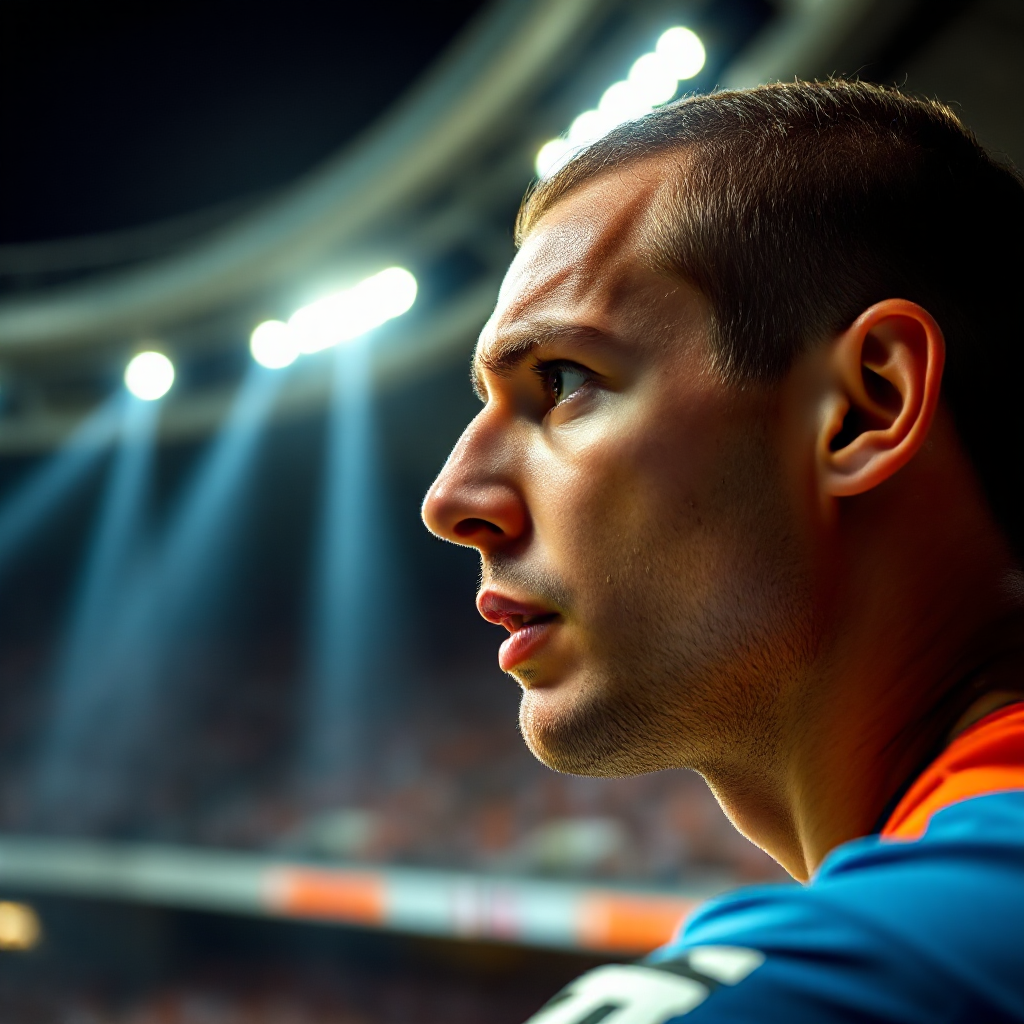
 Hình minh hoạ: https://hitclub368.com/
Medical Timeline & Surgical Context
Understanding the current relapse requires contextualizing the original surgical intervention and the physiological demands placed on elite goalkeepers. The initial procedure addressed structural instability in the knee, involving cartilage restoration, ligament reinforcement, and meniscal repair. Such interventions demand a phased rehabilitation pathway spanning twelve to eighteen months for full competitive return. Each stage targets specific functional outcomes: early range-of-motion restoration, followed by strength symmetry, then dynamic stability, and finally sport-specific explosiveness.
Courtois’s return trajectory initially appeared aligned with standard benchmarks. Pre-season preparations included gradual exposure to match-speed scenarios, progressive plyometric loading, and controlled contact simulation. However, biological variability means that two athletes with identical surgical outcomes rarely follow identical recovery curves. Factors such as sleep architecture, nutritional intake, travel fatigue, and psychological stress significantly influence tissue remodeling rates. When biometric data indicates elevated inflammatory markers or asymmetric force distribution, protocols automatically shift toward de-loading periods.
The current relapse falls within this adaptive recalibration phase. Medical teams utilize objective measurements—such as isokinetic dynamometry, motion capture analysis, and pain-perception scales—to determine readiness. If any metric deviates beyond acceptable thresholds, the athlete is moved back one stage. This backward progression prevents chronic compensation patterns, which often lead to secondary injuries in adjacent joints. For goalkeepers, compromised knee mechanics directly affect lateral movement efficiency, dive recovery speed, and aerial judgment. Maintaining mechanical symmetry is non-negotiable before reintroducing high-velocity save repetitions.
Historical data from Premier League and La Liga show that most top-tier goalkeepers who experience rehabilitation setbacks require additional four to six weeks to regain pre-injury baseline performance. Some cases extend further if psychological hesitation emerges, a well-documented phenomenon known as fear-avoidance behavior. Sports psychologists currently involved with the squad are implementing exposure therapy techniques to rebuild confidence in landing mechanics and collision anticipation. This multidisciplinary approach ensures that physical readiness translates directly into match-day reliability.

Squad Implications & Tactical Adjustments
A prolonged absence at the goalkeeper position triggers cascading effects across defensive organization and midfield pressing intensity. Real Madrid’s tactical identity relies heavily on a high defensive line, coordinated offside traps, and rapid transition coverage. When the last line of defense lacks consistent command of spatial awareness or distribution accuracy, entire structural models require temporary modification.
Backup goalkeeper options are currently evaluated through performance metrics rather than reputation alone. Training participation logs, shot-stopping success rates in controlled environments, and communication frequency during simulated pressure scenarios form the primary assessment framework. Coaches prioritize consistency in positioning, decisive handling under traffic, and ability to organize backline movements without hesitation. Statistical models used by scouting departments weight these attributes heavily, as they correlate strongly with expected goals conceded reductions.
Tactically, the coaching staff may implement deeper defensive blocks during high-intensity sequences, reducing reliance on aggressive sweeper-keeper actions. Midfield pressing triggers could be adjusted to compensate for slower build-up circulation from the back. Cross-management becomes more prominent, with center-backs instructed to anticipate longer aerial trajectories and cover wider zones. While these adjustments maintain defensive solidity, they inherently limit offensive expansion opportunities in the final third. Managers must balance risk mitigation with competitive ambition, especially when facing opponents who exploit compact defensive structures through quick combination play.
Roster flexibility remains limited due to registration deadlines and squad size regulations. Emergency signings are rarely viable within active competition windows, making internal development and tactical adaptation the primary solutions. Young academy prospects may receive increased exposure in cup competitions to accumulate match rhythm, while experienced deputies rotate based on opponent profiling and fixture severity. The sporting director monitors market conditions continuously, though significant goalkeeper acquisitions typically occur outside congested periods to allow adequate integration time.

Stakeholder Reactions & Media Verification Standards
Public discourse surrounding athlete injuries often accelerates beyond verified information, generating conflicting narratives that confuse supporters and pressure club management. Player statements released through official channels consistently emphasize patience, adherence to medical guidance, and collective responsibility for maintaining squad stability. Teammates publicly acknowledge the difficulty of absorbing extended absences while reinforcing trust in preparation processes.
Analysts and former professionals provide contextual framing, comparing current situations to documented recovery cases across European competitions. They highlight that rehabilitation delays rarely indicate permanent capability loss but rather intelligent load management designed to prevent chronic degradation. Sports physiologists stress that rushing return protocols increases re-injury probability by up to thirty percent, making conservative pacing economically and competitively rational.
Media organizations operating in this space follow verification hierarchies to separate confirmed updates from speculative commentary. Primary sources include club press conferences, accredited medical briefings, and direct interviews with treatment staff. Secondary sources encompass training ground observations by licensed photographers and performance data aggregators. Tertiary layers consist of social media posts, fan forums, and unofficial tip lines, which require rigorous cross-referencing before publication. Responsible journalism maintains clear distinctions between these tiers, preventing premature conclusions that distort public understanding.
When rumors circulate regarding contract extensions, transfer negotiations, or hidden medical complications, editorial teams apply burden-of-evidence standards. Unsubstantiated claims are flagged as unverified until documentation or direct attribution confirms authenticity. This methodology protects athlete privacy, preserves institutional credibility, and reduces unnecessary panic among stakeholders. Readers benefit from transparent sourcing, allowing them to assess claim reliability independently.

Recovery Projections & Monitoring Protocol
Forward-looking assessments rely on milestone tracking rather than fixed calendar dates. Rehabilitation pathways utilize competency-based progression, meaning athletes advance only when specific performance thresholds are consistently met. Biomechanical testing, sport-specific simulations, and psychological readiness evaluations form the core evaluation matrix. When all indicators align within predetermined ranges, supervised exposure to competitive intensity begins.
| Rehabilitation Phase | Primary Focus | Verification Metric |
|---|---|---|
| Load Stabilization | Inflammation control & tissue remodeling | Ultrasound imaging & pain scale consistency |
| Strength Symmetry Restoration | Bilateral force equalization & muscle activation | Isokinetic dynamometry <5% deficit |
| Dynamic Stability Integration | Plyometric loading & directional change control | Force-plate asymmetry <8% |
| Sport-Specific Exposure | Match-speed saves & aerial coordination | Reaction time & positioning accuracy benchmarks |
Each phase requires sustained completion before advancement. Skipping stages compromises long-term durability, which contradicts the club’s objective of maximizing career longevity. Current projections suggest that if maintenance protocols remain consistent, competitive integration could begin within targeted windows, contingent upon favorable biometric feedback. Calendar constraints, however, dictate that actual debut timing depends on fixture spacing, opponent pressing intensity, and overall squad availability.
Performance analysts track minute-by-minute adjustments during training matches, noting changes in dive efficiency, distribution accuracy, and communication volume. These micro-metrics predict macro-outcomes, allowing coaches to simulate match conditions progressively. When training outputs stabilize within ninety percent of pre-injury baselines, controlled exposure to competitive environments becomes viable. Full synchronization typically follows after three to five match appearances, allowing neural adaptation and confidence rebuilding to complete organically.
Action Checklist for Tracking Official Developments
Navigating injury updates requires disciplined monitoring of verified channels rather than reactive engagement with unconfirmed reports. The following steps ensure accurate information consumption and prevent misinterpretation of routine rehabilitation adjustments:
- Verify Source Tier: Prioritize official club medical bulletins and accredited journalist correspondence. Treat social media snippets, anonymous tips, and forum speculation as unverified placeholders requiring cross-checking.
- Monitor Biometric Language: Look for terminology indicating load management, inflammation reduction, or symmetry restoration. These phrases signal controlled progression rather than catastrophic setbacks.
- Track Training Ground Footage: Observe video evidence for movement quality, landing mechanics, and positional awareness. Consistent improvement in these areas correlates strongly with upcoming competitive integration.
- Assess Fixture Calendar Impact: Evaluate how upcoming match density influences return timing. Congested schedules often delay debuts to preserve long-term availability, regardless of individual readiness.
- Document Milestone Achievements: Maintain records of announced phase completions, test results, and supervised exposure approvals. Sequential milestone verification provides clearer timelines than arbitrary date estimates.
- Filter Emotional Commentary: Separate analytical breakdowns from fan-driven narrative construction. Objective assessments focus on physiological markers, tactical adaptations, and historical recovery data.
- Consult Multi-Agency Reports: Compare insights across independent sports medicine publications, league medical committees, and expert analyst networks to identify consensus trends.
Applying this checklist reduces misinformation exposure and strengthens comprehension of rehabilitation complexities. Readers who engage with verified developments gain accurate foresight into squad composition shifts, tactical adjustments, and realistic return expectations. Maintaining analytical discipline during injury cycles benefits both supporter communities and institutional decision-making processes.
Frequently Asked Questions
How do clubs distinguish between routine load management and serious injury relapse?
Clubs rely on objective biometric data, including ultrasound imaging, force distribution analysis, and pain-perception scoring. When metrics remain stable but slightly elevated, protocols adjust conservatively. Acute relapses typically involve sudden biomechanical breakdowns, visible swelling, or functional impairment that halts training entirely.
Why do goalkeepers take longer to return compared to outfield players?
Goalkeepers require specialized landing mechanics, explosive lateral push-off capabilities, and precise aerial coordination. Knee stability directly influences dive recovery speed and positional accuracy. Even minor asymmetries compromise save efficiency, making rehabilitation timelines inherently more conservative than those for runners or passers.
Can backup goalkeepers maintain match sharpness during extended absence periods?
Yes, through structured training simulations, controlled competitive exposure, and video analysis sessions. Coaches integrate scenario-based drills, penalty save rotations, and high-intensity passing circuits to preserve reflex development and decision-making speed.
What indicators signal that a goalkeeper is ready for competitive debut?
Consistent performance across all rehabilitation phases, symmetrical force output, successful sport-specific exposure sessions, and positive psychological readiness assessments. Clinical clearance combined with coaching validation forms the final approval threshold.
The latest updates are available at https://hitclub368.com/.