Exploring the cultural significance of gambling across different societies
The Historical Roots of Gambling
Gambling has deep historical roots that trace back to ancient civilizations. In places like China, around 200 BCE, rudimentary games of chance were popularized through the use of dice and betting on events. These early forms of gambling reflected not only the desire for entertainment but also served as social gatherings for communities. As time evolved, these practices spread through trade routes and conquest, leading to a rich tapestry of gambling traditions that influence cultures today. For those looking to experience a modern take on this tradition, visit https://lucky-dreams-canada.com/.
In ancient Rome, gambling was a common pastime among the elite and common citizens alike. The Romans used it as a way to foster camaraderie and competition, often holding betting events during gladiatorial games. The connection between gambling and social status can still be observed today, where specific forms of gambling, like poker and high-stakes casinos, often attract a wealthier demographic, creating a perceived distinction in the social fabric.
In many Native American tribes, gambling has been part of the cultural identity for centuries. Traditional games were often played for stakes involving goods, and these practices have transitioned into modern gaming establishments. Today, Native American casinos serve not only as entertainment hubs but also as a means of economic development, reflecting how historical forms of gambling can evolve into significant cultural and economic forces.
Cultural Differences in Gambling Practices
The approach to gambling varies widely across different cultures, with some societies embracing it as an integral part of their lifestyle while others view it as taboo. In some Asian cultures, for example, gambling is often associated with luck and prosperity, especially during festivals. The Lunar New Year is a prime time for gambling activities, where families engage in games that symbolize good fortune and wealth for the year to come.
Conversely, in many Western societies, gambling has faced substantial scrutiny and regulation. The belief in the moral implications of gambling has led to a range of perspectives; some see it as a vice, while others regard it as a legitimate form of entertainment. This dichotomy reflects broader societal values about risk, responsibility, and the role of chance in life, illustrating how deeply cultural beliefs shape the acceptance and practice of gambling.
Additionally, modern technology has facilitated the globalization of gambling, with online platforms allowing for cross-cultural exchanges. Games that were once region-specific, like poker or blackjack, are now played worldwide, leading to a blending of cultural elements. This digital transition raises questions about identity, tradition, and the future of cultural practices related to gambling.
The Psychological Aspect of Gambling
The psychological implications of gambling are profound and multifaceted, playing a significant role in its cultural significance. Many people gamble as a form of escapism, seeking a temporary break from the stresses of daily life. The thrill of risking money can create an adrenaline rush, which some find addictive. This relationship between gambling and psychology reveals how it serves as both a recreational activity and a coping mechanism for many individuals.
Cultural attitudes towards gambling can also affect how people approach it psychologically. For instance, in societies where gambling is normalized and integrated into celebrations, individuals may experience less guilt or anxiety about their participation. Conversely, in cultures that stigmatize gambling, individuals may grapple with feelings of shame, leading to negative mental health outcomes. Thus, the societal lens through which gambling is viewed can heavily influence individual behavior and psychological well-being.
Moreover, studies indicate that certain personality traits, such as impulsivity and sensation-seeking, can predispose individuals to gamble. Understanding these psychological elements is crucial for both cultural interpretation and for developing responsible gambling initiatives. This duality illustrates how gambling is not merely an act of chance but a complex interplay of cultural, psychological, and social factors.
Gambling as a Tool for Economic Development
Throughout history, gambling has evolved into a significant economic driver in various societies. In the United States, for example, state lotteries and casinos have generated billions in revenue, contributing to public services and infrastructure. This has led many governments to embrace gambling as a legitimate source of tax income, sparking debates about the ethical implications and social costs associated with its proliferation.
In many developing nations, legalizing gambling can provide much-needed financial resources for communities. In regions where traditional industries may be declining, the establishment of casinos or gaming resorts can create jobs and stimulate local economies. This economic perspective shifts the cultural significance of gambling, framing it as a potential means of social improvement, albeit not without its share of controversies regarding addiction and social disparities.
Furthermore, the global tourism industry has also benefited significantly from gambling. Countries like Singapore and Macau have become popular destinations for gamblers worldwide, illustrating how gambling can intersect with cultural identity and economic ambition. This intertwining of culture and commerce emphasizes the multifaceted role of gambling in society and its potential to shape both local and global economies.
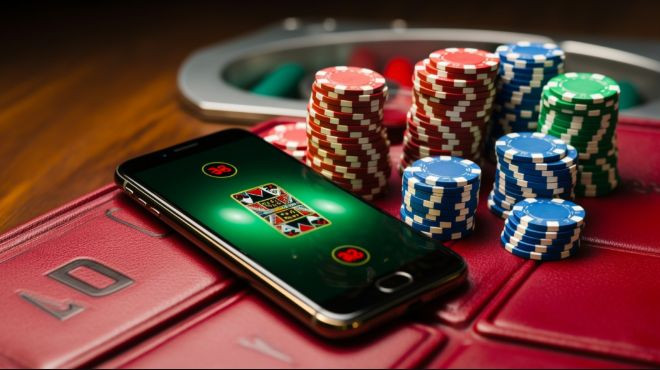
Lucky Dreams Canada: A Modern Perspective on Gambling
As gambling continues to evolve, modern platforms like Lucky Dreams Canada represent the contemporary intersection of tradition and technology. With a vast array of gaming options, including slots and live dealer games, this online casino is designed for players seeking convenience and excitement. The cultural significance of gambling is redefined through these digital experiences, making it accessible to a broader audience.
Lucky Dreams Canada also emphasizes responsible gaming, recognizing the psychological aspects of gambling. By offering tools and resources for players, the platform fosters a culture of safety and awareness. This commitment to secure play reflects a growing recognition of the need for balance between enjoyment and responsibility in gambling, highlighting how modern establishments can contribute positively to the cultural landscape.
Ultimately, the significance of gambling in various societies will continue to evolve as cultural norms, technological advancements, and economic conditions change. Platforms like Lucky Dreams Canada not only adapt to these transformations but also play a crucial role in shaping the future of gambling culture, ensuring that it remains an integral part of our social fabric.